Kernel Helmet That Is Claimed to Read Human Mind Starts Shipping for $50,000 in US
Kernel Helmet That Is Claimed to Read Human Mind Starts Shipping for $50,000 in US
Researchers anticipate using the Kernel helmet to gain insight into brain aging and mental disorders, and even mechanics behind metaphysical experiences like psychedelic trips.

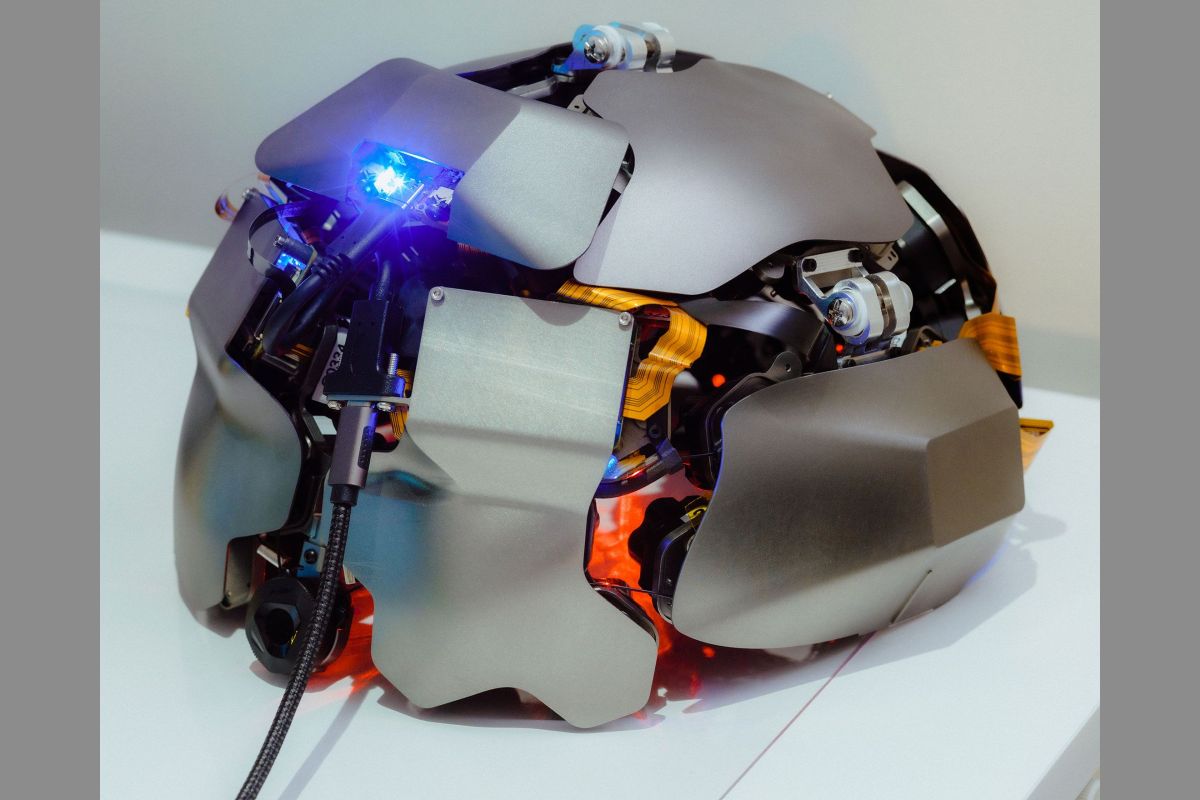
Weighing a couple of pounds each, the helmets contain nests of sensors and other electronics
Over the next few weeks, a company called Kernel will begin sending dozens of customers across the US a $50,000 (roughly Rs. 37 lakhs) helmet that can, crudely speaking, read their mind. Weighing a couple of pounds each, the helmets contain nests of sensors and other electronics that measure and analyse a brain's electrical impulses and blood flow at the speed of thought, providing a window into how the organ responds to the world. The basic technology has been around for years, but it's usually found in room-size machines that can cost millions of dollars and require patients to sit still in a clinical setting.
The promise of a leagues-more-affordable technology that anyone can wear and walk around with is, well, mind-bending. Excited researchers anticipate using the helmets to gain insight into brain aging, mental disorders, concussions, strokes, and the mechanics behind previously metaphysical experiences such as meditation and psychedelic trips. “To make progress on all the fronts that we need to as a society, we have to bring the brain online,” says Bryan Johnson, who's spent more than five years and raised about $110 million (roughly Rs. 815 crores) —half of it his own money—to develop the helmets.
Johnson is the chief executive officer of Kernel, a startup that's trying to build and sell thousands, or even millions, of lightweight, relatively inexpensive helmets that have the oomph and precision needed for what neuroscientists, computer scientists, and electrical engineers have been trying to do for years: peer through the human skull outside of university or government labs. In what must be some kind of record for rejection, 228 investors passed on Johnson's sales pitch, and the CEO, who made a fortune from his previous company in the payments industry, almost zeroed out his bank account last year to keep Kernel running. “We were two weeks away from missing payroll,” he says. Although Kernel's tech still has much to prove, successful demonstrations, conducted shortly before COVID-19 spilled across the globe, convinced some of Johnson's doubters that he has a shot at fulfilling his ambitions.
No comments: